
The Cybersecurity Education Dept.
Stay informed on key cybersecurity issues with our expert blog posts, or get quick answers on specific topics from our FAQ and cyber glossary page.

What are the key challenges in securing email in 2025, and what advanced strategies can combat threats?
Email. Just the sheer volume of it is enough to inspire a person to want to run screaming in the other direction, but add on the constant and ever more sophisticated phishing, malware, and malicious spam of all types, and it’s simply too much. And yet, email remains the most effective channel for business communication, one that’s impossible to avoid. But there's good news! Just as cyber criminals have advanced their methods, email security solutions have also become more sophisticated. By unraveling the complexities of email security, you can arm yourself with essential strategies that ensure your communications remain private and your organization is protected.
This article will guide you through practical steps to elevate your email security, enabling you to navigate the digital landscape with confidence. Whether you're a seasoned techie or a reluctant user, you’ll discover actionable insights that will help you safeguard your inbox, keeping your data and peace of mind intact. Ready to take control of your email security? Let’s dive in and explore the essential methods to fortify your communications!

What are the most common cybersecurity threats facing small businesses in 2025, and what practical, cost-effective steps can protect them?"
Small businesses are increasingly targeted by cybercriminals due to limited IT resources, weaker defenses, and a false sense of security. This article outlines the top cybersecurity threats facing small businesses—including ransomware, phishing, weak passwords, shadow IT, outdated software, and third-party risks—and provides actionable strategies to combat them. From enforcing strong password policies and enabling multi-factor authentication (MFA) to employee training, software updates, and secure backups, the guide offers practical steps to improve cyber resilience. By implementing a layered defense approach and staying proactive, small businesses can significantly reduce their risk of cyberattacks and safeguard critical operations, data, and customer trust.

Why are private equity firms prime targets for cyberattacks, and what proactive cybersecurity strategies can they implement?
Private equity (PE) firms operate in a high-stakes environment where cybersecurity risks extend beyond their own digital infrastructure to encompass every company in their portfolio. With vast amounts of sensitive financial data, frequent mergers and acquisitions (M&A) activity, and complex regulatory landscapes, PE firms face unique vulnerabilities that demand proactive and layered security strategies. Below, we explore the critical cybersecurity concerns these firms must address and provide actionable insights for mitigating risks.

Why is a layered cybersecurity approach essential in 2025, and how can defense-in-depth strategies help organizations stay resilient against AI-driven and evolving cyber threats?
Cyber threats are evolving so quickly, it can seem impossible to keep up. Actually, with the advent of AI to fuel and multiply new kinds of attacks, we have probably reached the point where it actually IS impossible to keep up. Not only are cyber criminals more sophisticated than ever, leveraging advanced tools, automation, and social engineering to bypass traditional defenses, but also, digital transformation is opening up all kinds of new vulnerabilities. As companies rely increasingly on interconnected systems, cloud platforms, and remote work, the old model of relying on a single line of defense—like a firewall or antivirus—has become dangerously obsolete. Today, adopting a layered cybersecurity approach is not just recommended; it is essential for survival and resilience.
Why is it essential for CEOs—not just IT leaders—to have a cybersecurity playbook?
In a survey conducted by technology leadership-as-a-service firm Fortium, 67% of CEOs responded that they are very concerned about cybersecurity, but 44 percent of them also disagreed or strongly disagreed that their companies were prepared for a breach. There is no reason for any CEO to continue feeling that their company is exposed. That’s no way to sleep well at night.
Whether you are the CEO of a company with a CISO and an entire IT team supporting you, or the CEO of a small company with 20 employees and all of your IT needs outsourced, you are the face of the company during any crisis. Successfully leading a company through a cybersecurity breach requires decisive, transparent, and strategic actions in order to protect the organization, its stakeholders, and its reputation. This article provides the framework to do that successfully.

Why are small and midsize businesses (SMBs) increasingly targeted by cyberattacks, and what affordable cybersecurity strategies can they implement?
According to a recent Forbes article, 43 percent of SMBs don’t even have network-based firewalls – and firewalls are the most basic brick in cybersecurity, which should not just be a brick, but a wall, in fact a multi-layered wall.
So why, when one-third of SMBs, according to a Microsoft Security study, experienced a cyber attack in 2024, are so many SMBs failing to take action to protect themselves?
If you’re a CEO or technical leader at an SMB that’s historically considered itself “too small to be attacked,” today is the day to make a change. Until now, you’ve been lucky. But the data indicates your lucky days might be numbered. We have solutions.
What are the most effective risk management and crisis response strategies every CEO should implement?
In today's rapidly evolving business landscape, CEOs must be prepared to navigate unexpected challenges and crises. This comprehensive guide outlines essential strategies for effective risk management and crisis response, helping CEOs protect their organizations and lead with confidence.
As the ultimate decision-maker, a CEO plays a crucial role in shaping an organization's approach to risk management. Part 1 of the CEO’s Cybersecurity Playbook will walk you through the basics of risk management and crisis response planning.

How did a cybersecurity breach contribute to 23andMe’s bankruptcy, and what lessons can businesses learn?
For the last couple of days, warnings have filled the headlines: 23AndMe files for bankruptcy; delete your data now. And while that’s important, and 23AndMe customers should certainly take the precautions recommended by experts, there’s another critical factor underlying these headlines: a cybersecurity breach.

Why should cybersecurity move beyond IT to become a strategic C-suite priority?
Cyber criminals specialize in breaking in to your network. To stay ahead of them, you must have specialists whose sole focus is keeping them out. Particularly with the advent of AI, cybersecurity has now officially moved out from beneath the IT umbrella and risen to a strategic concern that must be planned for and addressed by every organization’s senior executives.

How can hiring a cybersecurity firm help your business lower its cyber insurance premiums while improving overall security?
In the past five years, that has come at a steep price: according to one study, the global cybersecurity market saw premiums double between 2018 and 2023, and those premiums are expected reach $29 billion by 2027.[1] But you don’t have to be a hostage to rising premiums. You can safeguard your company’s data, clients, and future and slash your cyber insurance premiums at the same time with one simple move: hire a cybersecurity firm.
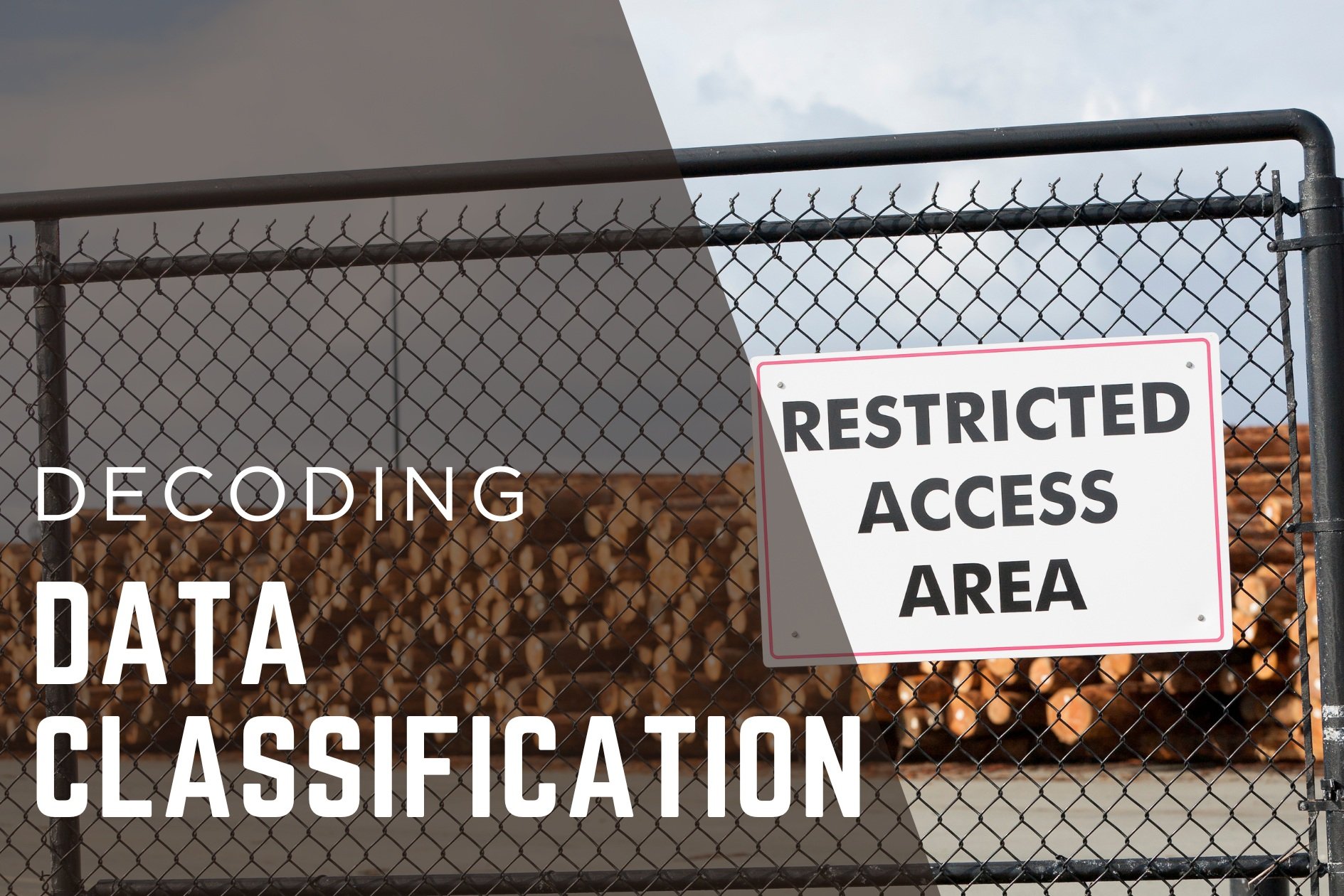
What is data classification in cybersecurity, and why is it essential for protecting sensitive business information?
The heart of protecting your business is data classification. Today we’re going to break it down into manageable parts and shed some light on its pivotal role in safeguarding sensitive information as well as the future of your organization.

Why is a data loss prevention (DLP) plan essential for protecting a business from cyber threats, and what key strategies should it include?
Building a fortress around your data is the foundation of your company’s future.